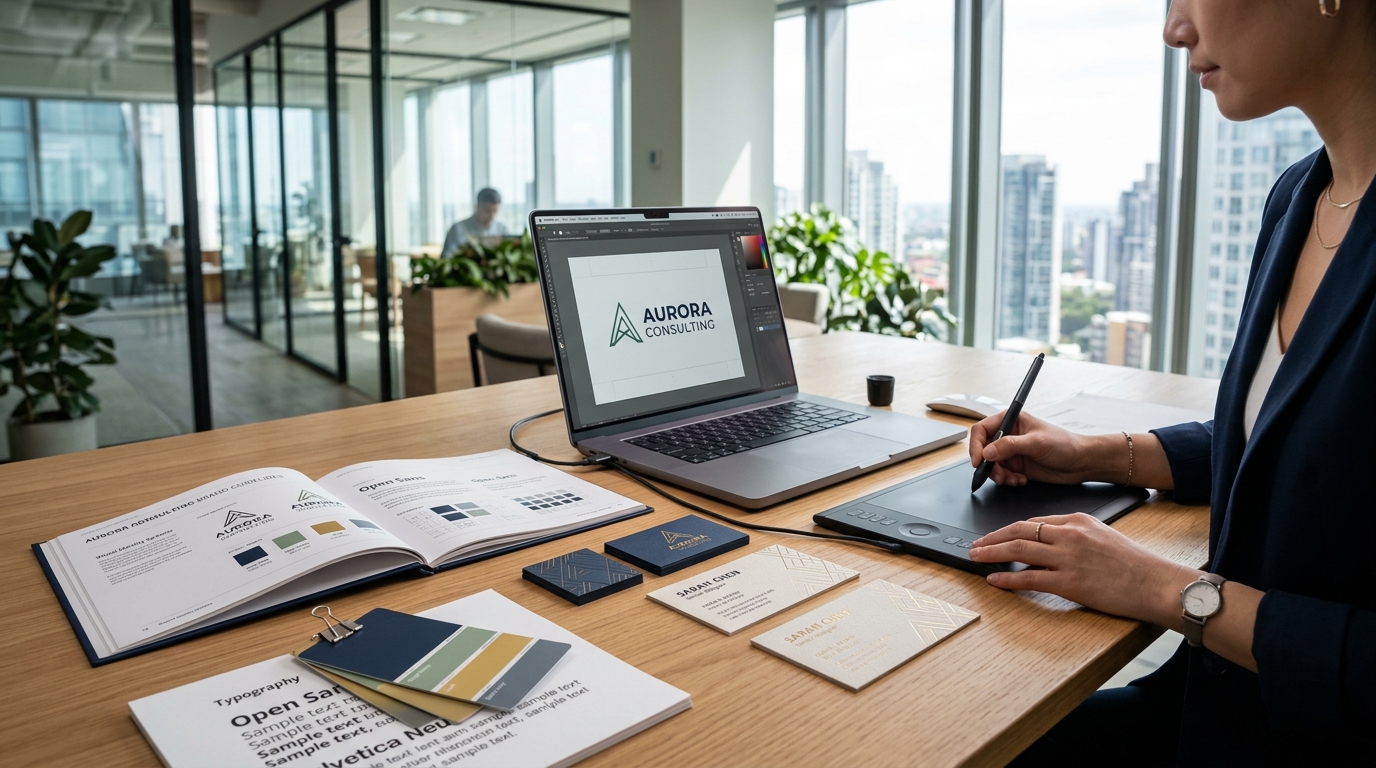
Étape 1 / 4 - Accroche

Observe & Think

Avant toute explication, active ce que tu sais déjà.

Your Turn

Based on what you see, what do you think corporate identity really means? Write 2-3 ideas in English.

There is no single right answer here. The goal is to activate what you already know before going further - a process called prior knowledge activation.
Étape 2 / 4 - Vidéo authentique

Watch & Explore

Simon Sinek · How Great Leaders Inspire Action - TED Talk. Regarde les 10 premières minutes.

Before you watch

Simon Sinek talks about a "Golden Circle". What do you think it represents? Make a quick prediction before pressing Play.
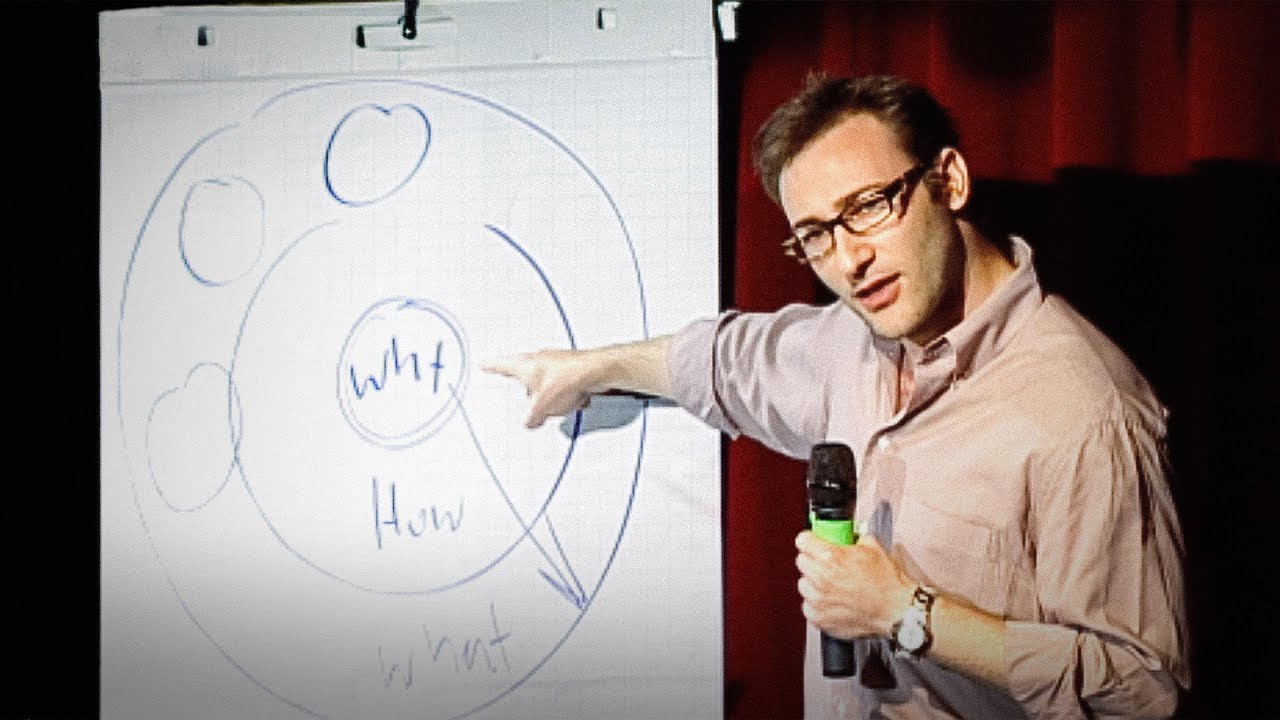
Simon Sinek - Start With Why · TED Talk
Ouvrir dans YouTube

Simon Sinek · How Great Leaders Inspire Action · TED Talk - watch the first 10 minutes

While you watch - Complete the Golden Circle

Fill in each level with the right concept : What · How · Why

Outer - WHAT : What a company does - its products or services.
Middle - HOW : How they do it - their differentiating process or value proposition.
Inner - WHY : Why they do it - their purpose, cause or belief. This is what truly inspires people.

After you watch - React & Connect

Can you think of a company that clearly communicates its Why? Explain in 2-3 sentences why you chose it.

Étape 3 / 4 - Document écrit

Read & Identify

Patagonia · "Earth is now our only shareholder" - Yvon Chouinard

Your Task

Read the article carefully. Then, in the boxes below, sort the elements you find into four categories. Do not look up every word - focus on what you can understand from context.

La frustration de ne pas tout comprendre est normale et utile. Cherche le sens global, pas chaque mot. Tu travailleras le vocabulaire précisément à l'étape suivante.
Patagonia.com - Op-ed by Yvon Chouinard, 2022 Authentic source

Earth is now our only shareholder.

If we have any hope of a thriving planet - much less a business - it is going to take all of us doing what we can with the resources we have. This is what we can do.

By Yvon Chouinard  ·  September 14, 2022

I never wanted to be a businessman. I started as a craftsman, making climbing gear for my friends and myself, then got into apparel. As we began to witness the extent of global warming and ecological destruction, and our own contribution to it, Patagonia committed to using our company to change the way business was done. If we could do the right thing while making enough to pay the bills, we could influence customers and other businesses, and maybe change the system along the way.

We started with our products, using materials that caused less harm to the environment. We gave away 1% of sales each year. We became a certified B Corp and a California benefit corporation, writing our values into our corporate charter so they would be preserved. More recently, in 2018, we changed the company's purpose to: We're in business to save our home planet.

While we're doing our best to address the environmental crisis, it's not enough. We needed to find a way to put more money into fighting the crisis while keeping the company's values intact.

"Truth be told, there were no good options available. So, we created our own."

One option was to sell Patagonia and donate all the money. But we couldn't be sure a new owner would maintain our values or keep our team of people around the world employed.

Another path was to take the company public. What a disaster that would have been. Even public companies with good intentions are under too much pressure to create short-term gain at the expense of long-term vitality and responsibility.

Instead of "going public," you could say we're "going purpose." Instead of extracting value from nature and transforming it into wealth for investors, we'll use the wealth Patagonia creates to protect the source of all wealth.

How it works

100% of the company's voting stock transfers to the Patagonia Purpose Trust, created to protect the company's values; and 100% of the nonvoting stock had been given to the Holdfast Collective, a nonprofit dedicated to fighting the environmental crisis and defending nature. Each year, the money we make after reinvesting in the business will be distributed as a dividend to help fight the crisis.

It's been nearly 50 years since we began our experiment in responsible business, and we are just getting started. If we have any hope of a thriving planet - much less a thriving business - 50 years from now, it is going to take all of us doing what we can with the resources we have.

Despite its immensity, the Earth's resources are not infinite, and it's clear we've exceeded its limits. But it's also resilient. We can save our planet if we commit to it.

Categorise what you found

Identifie au moins un exemple par catégorie dans l'article.

Mission / Purpose
Core Values
Corporate Culture
Brand Image / Positioning
Étape 4 / 4 - Vocabulaire émergent

Words You've Met

Ces termes-clés sont apparus dans la vidéo et l'article. Chacun est ancré dans son contexte d'origine.

Ne les mémorise pas maintenant. Tu les travailleras activement dans S'exercer. Pour l'instant, assure-toi seulement que chaque terme a du sens dans son contexte.
brand identity "Apple doesn't just sell computers - their brand identity is built around the idea of thinking differently."
core values "Patagonia's core values place environmental responsibility above short-term profit."
mission statement "Their mission statement - 'We're in business to save our planet' - is unusual for a corporation."
corporate culture "Sinek argues that corporate culture starts from the inside, not from the product itself."
visual identity "A company's visual identity - logo, colours, typography - is the most visible part of its brand."
brand image "Brand image is how customers perceive the company, which may differ from what the company intends."
positioning "Patagonia's positioning as an eco-conscious brand attracts customers who share its values."
shareholder "Chouinard transferred ownership to a trust, effectively making the Earth the company's only shareholder."